The 5 moves
behind Cal AI.
Fifteen universities rejected him. Then the app he was building with two other people made over $40 million in 12 months and MyFitnessPal bought it. Here is every move, and the receipt behind each one.
Who actually built it
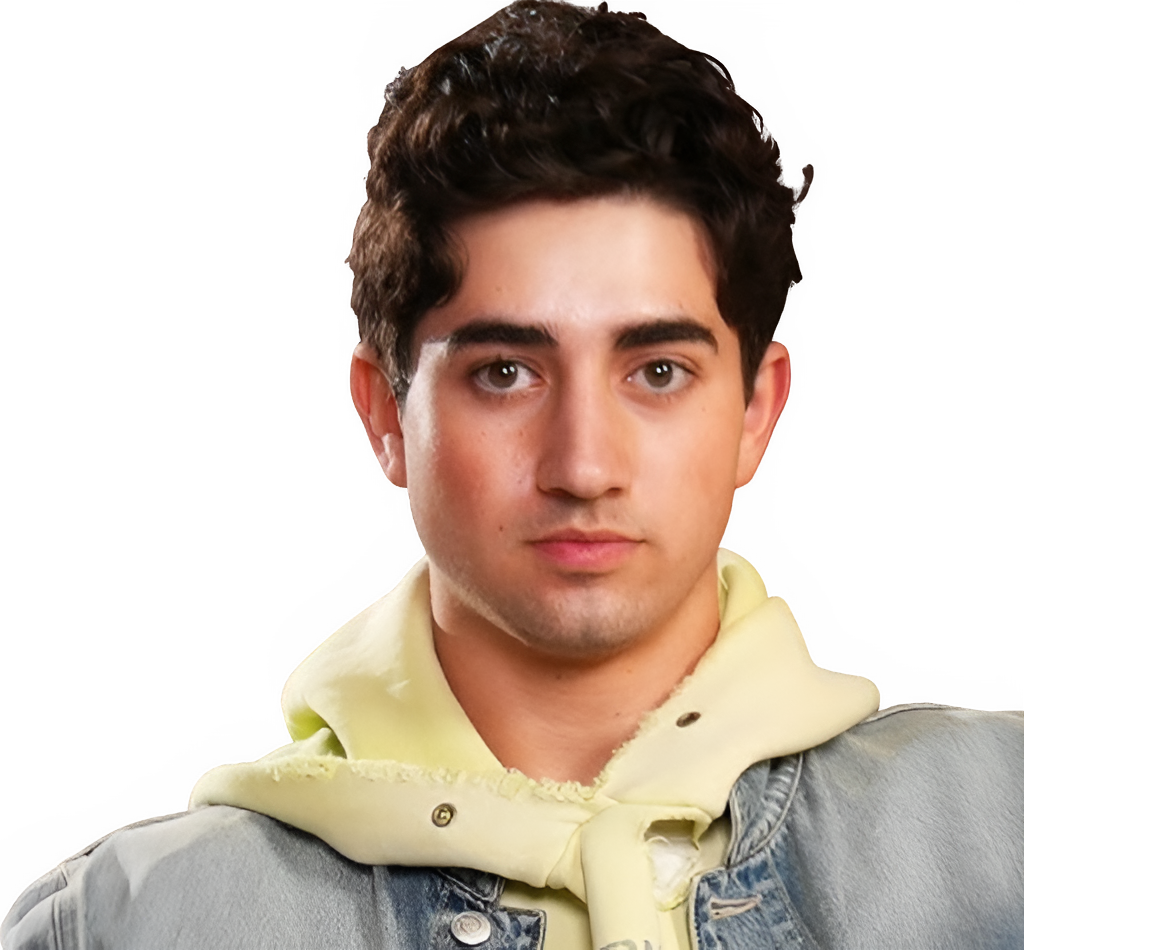
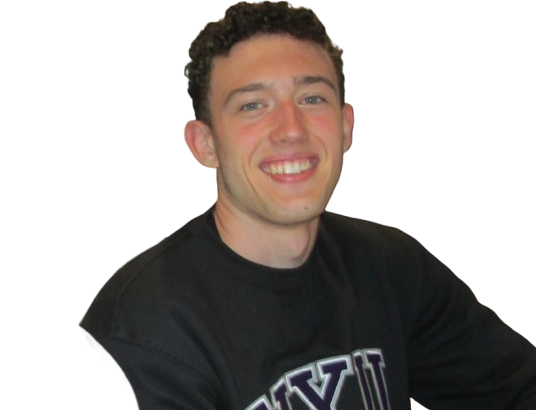
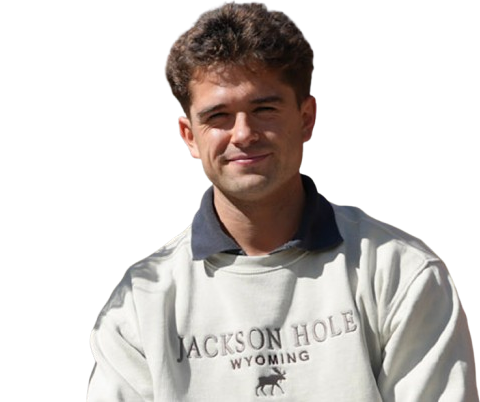
Three people, not one. All three are named together on the Forbes 30 Under 30 2026 list for Cal AI, and the growth playbook below is Blake's.
The five moves
Cal AI was the third time Blake Anderson ran the same launch motion. He had already run it on two other apps, both of which were making real money before Cal AI existed.
The move is not "have a good idea". The move is "do the thing you have already proven you can do, one more time, on a bigger market".


People were already tracking their calories. They were doing it by hand: type the food name, pick the serving size, enter the grams, search, scroll, confirm. Cal AI did not try to convince anyone to start tracking. It deleted the typing.
You take a photo of your plate. It gives you the calories and the macros. One input, no form. That is the entire product, and it is the entire reason it spread.
A subscription at launch. $2.49 a month or $29.99 a year, with no free tier at the start. Most people building their first app do the opposite and wait until it feels ready.
Charging immediately does two things at once: it pays for the ads and the creators from month one, and it tells you within thirty days whether anyone actually wants this. A free app tells you nothing.
| Month | Revenue |
|---|---|
| Month one | $28,000 |
| Month two | $115,000 |
| By month six | $1m MRR |
250+ creators on a monthly retainer, posting content that looks like somebody using an app rather than somebody selling one. Micro creators, not celebrities.
This is the part people skip because it is unglamorous and it is the part that actually did the work. Not one big influencer deal. Hundreds of small ones, running every month, each one looking like a genuine recommendation because the creator uses the thing.
Bootstrapped. Zero outside investors. No pre-seed, no seed, nobody on the cap table but the three of them.
Move 3 is what makes move 5 possible. Because the app paid for itself from month one, they never needed anyone else's money, so when the exit came they owned the whole thing. Charging early is not just a revenue decision, it is an ownership decision.
The part worth sitting with
In March, MyFitnessPal bought them. He is 19.
He did not build something MyFitnessPal was incapable of building. MyFitnessPal has been in this market since 2005 with a food database nobody can match. Cal AI got in front of people faster. Distribution beat capability. It usually does.
The acquisition price was never disclosed. One commentator guessed nine figures. A guess is not a number, so it is not on this page and it was not in the reel.
Every claim, checked
| Claim | Source |
|---|---|
| Rejected by 15 of the 18 he applied to, Harvard, Yale, Stanford and MIT among them | TechCrunch, 3 Apr 2025 |
| 4.0 GPA, 34 ACT | Inc |
| Had already built and sold Totally Science at 16 | Inc |
| Nearly 30 million views on the rejection post | Inc, Yahoo |
| Three founders: Yadegari, Langmack, Anderson | Forbes 30 Under 30, 2026 |
| Over $40m revenue in 12 months | Inc |
| $2.49/mo at launch, $28,000 in month one | Superframeworks, Starter Story |
| 250+ creators on monthly retainer | multiple breakdowns |
| Bootstrapped, zero investors | TechCrunch, Inc, getlatka |
| MyFitnessPal acquisition announced 2 March 2026 | TechCrunch |
| He is 19 | Inc |
| Acquisition price | never disclosed |